
A Feeling Worth Remembering: 25 Years After September 11th
25 years ago today, I was working at an entertainment company that specialized in weddings. It was a Tuesday, and I came in early because we had a busy weekend ahead. I made the rounds and checked in with my colleague Ray, who was editing several wedding videos and had the Today show on in his office. Then I went to my office, turned on the radio, and started working on logistics for the upcoming weekend.
I don't remember looking at the clock, but I do remember my intercom beeping and Ray telling me that a plane had just crashed into one of the towers. I went upstairs to his office, and we both watched the replay and the speculation that it was a horrible accident. As I was about to head back to my office, we watched together as the second plane hit. That's when I had that feeling in my gut — a feeling that the world was changing.
Over the next few hours, we made some decisions about the rest of the day and decided to send everyone home. I stayed behind to finish some things up, then went to Braintree, where I was working part time for a towing company. I started my shift early, uncertain about what the rest of the day would bring. I finished before midnight and, being a news junkie, went home and watched one of the 24-hour news channels, eventually falling asleep for a few hours and waking up on September 12th in a different world.
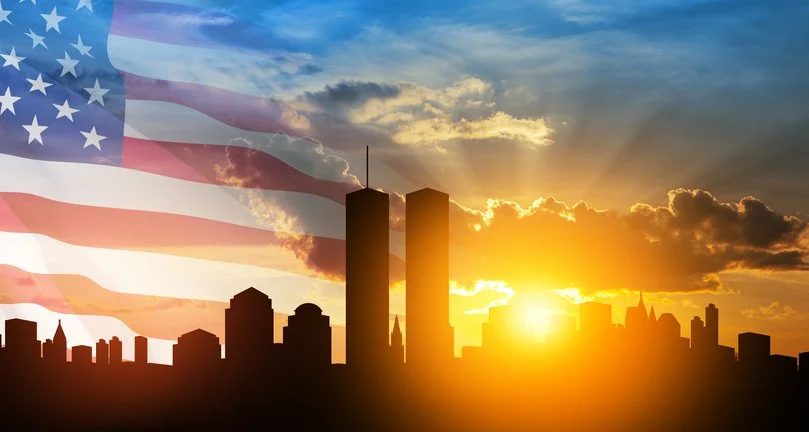
Those following days were different. People felt united — it's as if that moment brought us together. There was a sense of pride, a little more tolerance, and even respect for each other. American flags were everywhere, a symbol of who we are and our resolve. 25 years later, it seems we only remember that feeling when we remember what happened on September 11th, 2001.
As I look back on that feeling today, I realize I've been lucky enough to have opportunities to recreate it more often — whether through my talent, my voice, or my words. So today, as we remember all of those we lost 25 years ago, let's also remember that feeling, the tolerance, and even the pride — whether through your actions, or something as simple as displaying an American flag.
#September11 #NeverForget #911Anniversary #PatriotDay #WeRemember #UnitedWeStand #911Tribute #AmericanResolve #25YearsLater #GodBlessAmerica #Remembrance