
The Super Bowl Effect: How Small Businesses Win Nationwide
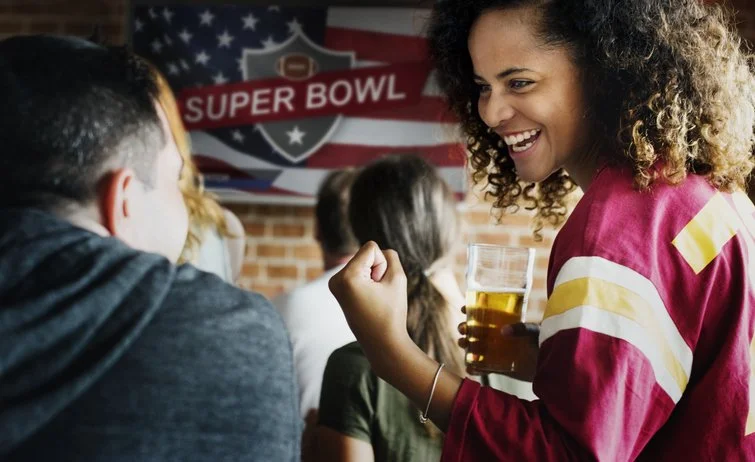
Every year, the conversation around the Super Bowl tends to focus on the host city—hotel occupancy, tourism revenue, and the economic bump for the local market.
But after nearly four decades in small business, I can tell you this:
The Super Bowl impacts small businesses across the entire United States—not just where the game is played.
For many local businesses, Super Bowl weekend is a powerful example of how national moments influence local spending, customer behavior, and short-term revenue opportunities.
The Super Bowl Is One of the Biggest Consumer Spending Events of the Year
The Super Bowl is more than a game—it’s one of the largest single-day consumer events in the country.
According to the National Retail Federation (NRF):
Over 200 million U.S. adults are expected to watch the Super Bowl each year
Consumers are projected to spend more than $18 billion nationwide on food, beverages, apparel, decorations, and entertainment related to the game
The average consumer spends over $90 on Super Bowl-related purchases
🔗 Source: National Retail Federation – Super Bowl Consumer Spending
https://nrf.com/research-insights/holiday-data-and-trends/super-bowl
That spending doesn’t happen in one city—it happens in neighborhoods, towns, and communities across the country.
Why the Impact Extends Far Beyond the Host City
While the host city may see a concentrated tourism boost, the real small-business impact is distributed nationwide.
1. Bars, Restaurants, and Takeout Businesses
The NRF reports that nearly 18 million people plan to watch the Super Bowl at a bar or restaurant, driving increased foot traffic for local establishments everywhere—not just near the stadium.
Food and beverage sales consistently spike on Super Bowl Sunday, making it one of the most important weekends of the year for hospitality-based small businesses.
🔗 Source: National Retail Federation
https://nrf.com/research-insights/holiday-data-and-trends/super-bowl
2. Retail, Apparel, and Party Supply Businesses
Consumers across the country purchase:
Team apparel and merchandise
Party supplies and decorations
TVs, electronics, and home entertainment items
According to the U.S. Chamber of Commerce, Super Bowl spending creates economic ripple effects across all 50 states, benefiting small retailers and service providers that support game-day gatherings.
🔗 Source: U.S. Chamber of Commerce – The Economic Value of the Super Bowl
https://www.uschamber.com/economy/the-economic-value-of-the-super-bowl-across-america
3. Small Businesses Benefit From Behavioral Shifts
Even businesses that don’t see a direct sales spike still feel the impact:
Adjusted business hours
Slower daytime traffic
Increased evening demand
Changes in consumer attention and engagement
These predictable shifts are exactly the kind of external factors small business owners should anticipate rather than react to.
A CEO Lesson: Timing Is Part of Strategy
One of the recurring themes in The Small Business CEO’s Playbook is this:
External events influence internal results.
Holidays, cultural moments, and major sporting events change how customers behave—and businesses that plan around those shifts consistently outperform those that don’t.
Super Bowl weekend is a reminder that:
Timing matters
Visibility matters
Preparation matters
Hope is not a strategy. Awareness and planning are.
My Super Bowl Prediction (Because It Wouldn’t Be Right Without One)
And since it is the Friday before the game, I’ll go on record:
🏈 The Patriots will win.
It’ll be a close game—but experience, discipline, and execution will make the difference.
Those traits tend to win championships.
They also tend to build successful businesses.
Final Thought
Whether your business experiences a surge in customers or a temporary slowdown this weekend, the Super Bowl highlights an important truth:
Big national moments don’t just affect big cities—they affect small businesses everywhere.
The difference between businesses that benefit and those that miss the opportunity usually comes down to one thing:
Planning instead of reacting.
Leadership & Strategy Takeaway
This kind of situational awareness—understanding how timing, culture, and behavior impact your business—is a key principle I teach in The Small Business CEO’s Playbook and in my workshops and keynotes for entrepreneurs and business leaders.
Because in business, just like on the field, the teams that prepare tend to win.
